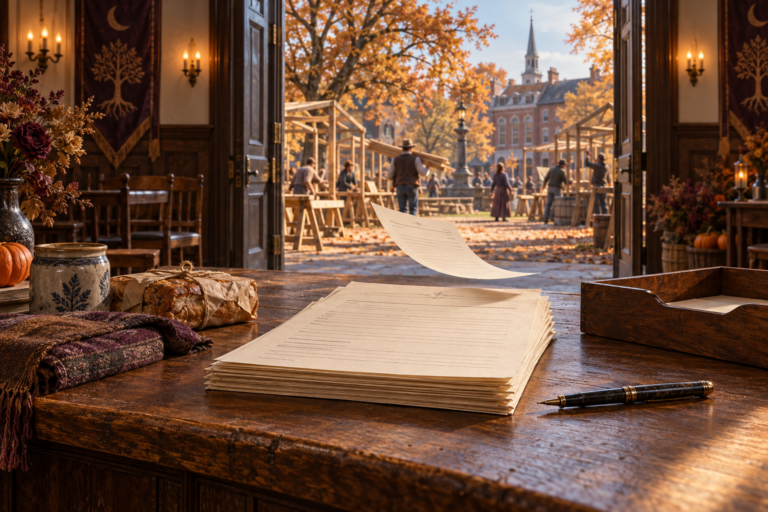
I heard someone described as “the new fellow” yesterday.
He has lived here for nine years.
The person speaking had no complaint about him. She was explaining which house had received a delivery meant for hers. Apparently, nine years had given him enough time to become trustworthy with a parcel, but insufficient time to acquire a name.
I knew exactly whom she meant. That is perhaps the more embarrassing part.
Bramberwick can be generous to newcomers. Someone will help carry your furniture. Someone else will bring food. Within a week, at least 3 people will have explained which route floods, where to find a decent repair, and why you should disregard the advice of the other two.
A visitor can ask a question and be rewarded with a story. A new resident asking the same question may received a look of surprise.
“Oh. Has nobody told you?”
It is an uncomfortable little question. You begin wondering what else nobody has told you.
I came here young enough that most of my memories belong to Bramberwick. I remember being taught certain customs without realizing they needed teaching. An adult would catch my hand before I touched something, or gently move me to the other side of a doorway. An explanation might follow. Sometimes it was only, “We leave that alone.”
Children accept a remarkable amount of incomplete information. They also grow into adults who forget how little of it was ever explained.
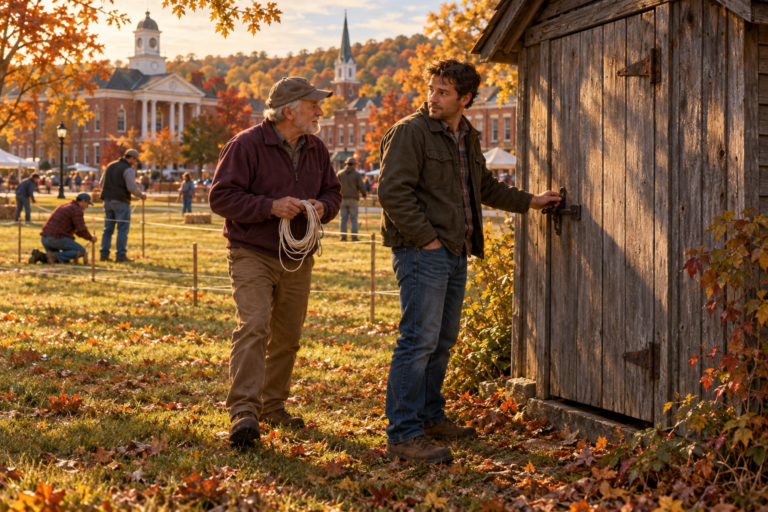
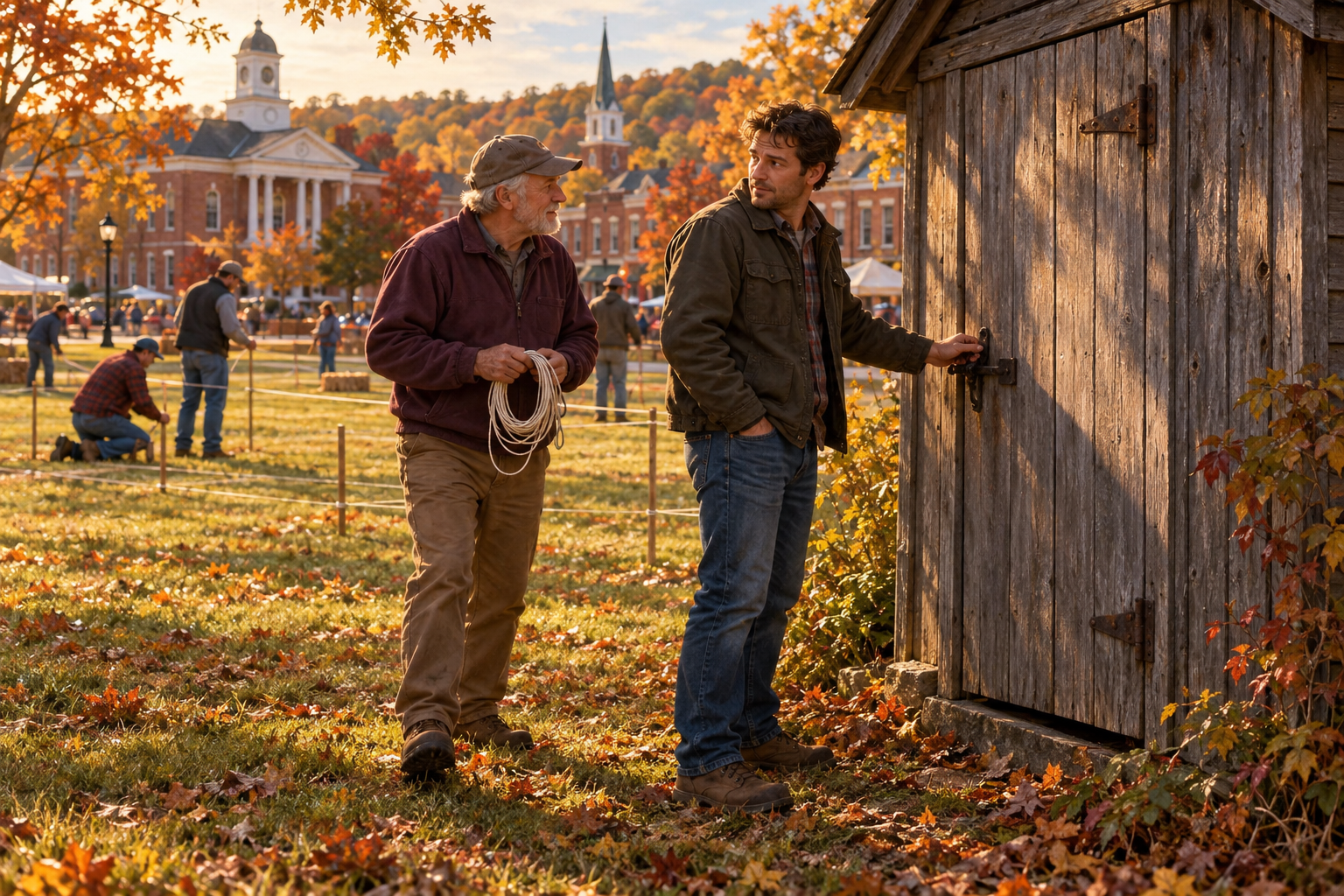
Earlier this week, I watched a newcomer helping measure out spaces on the Common. He had offered his time and was being put to good use.
Someone asked him to fetch a length of cord from a nearby shed.
He started toward it, then stopped when another volunteer called after him.
“Knock first.”
There followed a discussion about whether knocking was still necessary, whether it depended on the time of day, and whether the trouble some years ago had involved that shed or the one that had stood there before it.
The newcomer waited with his hand on the latch.
Eventually, someone went with him. They returned with the cord. Work resumed.
He laughed about it afterward. I could not tell whether he found it funny or had decided laughter was the easiest reponse.
I keep thinking about that hand on the latch.
A person arrives here hoping to make a home. Perhaps they have spent years being careful about what others might discover. Perhaps they have simply found a house they can afford and a place they like. Either way, there is relief in being welcomed.
Then comes the slower work: learning whom to trust, what questions to ask, and which local habits conceal a reason worth knowing.
Some of those reasons are frightening. We do newcomers no kindness by letting them discover the worst ones through embarrassment or injury. Nor does a warning become useful merely because it has been delivered with confidence. “Never do that” leaves a person dependent on finding someone who knows what “that” includes.
There are private matters that deserve to remain private. There are also practical facts we have allowed to become little tests of belonging.
I would like the Chronicle to make a few of those facts easier to find.
I expect to learn things myself in the process. Having spent most of your life in a place gives you familiarity, which can be mistaken for understanding until someone asks a straightforward question.
Yesterday, I caught myself referring to the new fellow.
Next time, I will use his name.
Yours,