The Letter
Dear Miss Ashcombe,
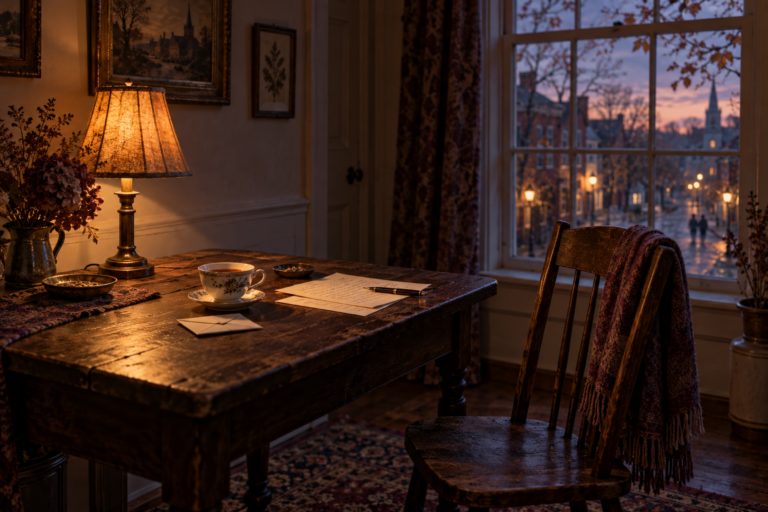
Before the Harvest Revel, I invited an acquaintance to stay with me while she visited Bramberwick. I said she was welcome to make herself at home and stay as long as she liked.
I understand that this was imprecise.
She arrived on October 25th. She is still here.
I do not wish to give the impression that she is an unpleasant guest. She washes dishes, replaces the milk, and has repaired a cupboard door that has annoyed me for six years. She is agreeable company. I have enjoyed having her.
I would also enjoy having my house to myself.
On Monday, I asked whether she needed help arranging her journey home. She thanked me and said there was no need to trouble myself on her account. On Tuesday, I mentioned that the festival was over. She agreed that it had been lovely.
Yesterday, I said I expected to be very busy next week.
She offered to do the shopping.
A mutual acquaintance has since explained that, where my guest comes from, departing before a host formally concludes a visit can imply that the hospitality was inadequate. Apparently she may be waiting for me to release her from an obligation I did not know I had created.
I cannot tell whether she wants to leave. I am afraid that asking will sound as though I am trying to get rid of her, although I recognize that this is, in a limited sense, what I am trying to do.
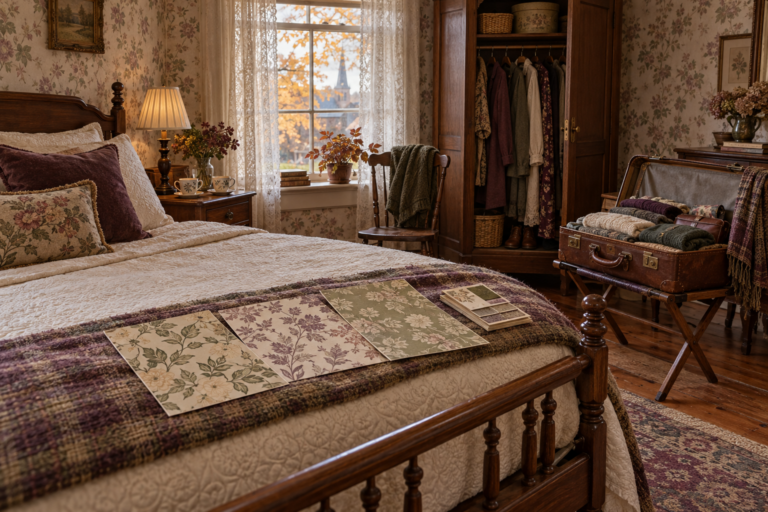
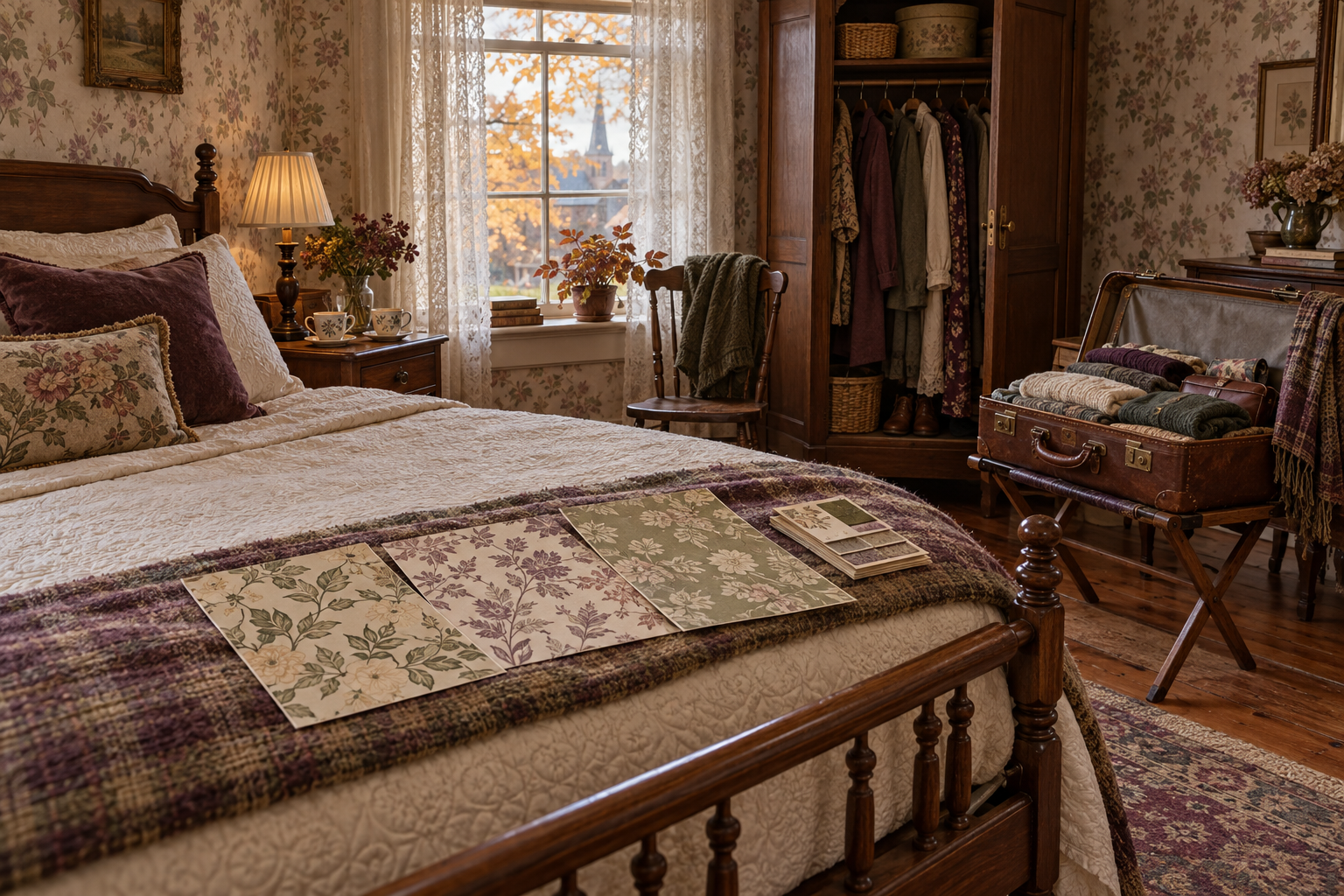
This morning she brought home wallpaper samples for the spare room. She says the present pattern does very little for the light.
How do I end the visit without ending the friendship?
Yours sincerely,
A Host Who Would Like the Spare Key Back
October’s Reply
Dear Host,
You have already reached the point at which a plain sentence would be kinder than another hint.
Your guest has been offered help with travel, informed of the calendar, and advised of your workload. She has responded to each statement reasonably. None of them actually told her that her visit was ending.
Try this:
“I’ve enjoyed having you here. I need the spare room back on Monday, so let’s arrange your departure for then. Would you like help with the journey?”
Choose a date you can comfortably accommodate. Say it before another roll of wallpaper enters the house.
You need not ask whether she wants to leave before explaining when you need her to go. Those are separate questions. She may be perfectly happy to stay and still perfectly willing to depart once she knows the arrangement.
As for the custom described by your mutual acquaintance, confirm it with your guest. Preferably ask what wording she understands to conclude a visit, rather than asking your acquaintance to supply a ceremony from memory.
“I’ve been told you may be waiting for me to formally end the visit. Is that right?” would be a reasonable beginning.
She may be relieved. She may explain that the custom has been misunderstood. She may simply have believed you when you said she could stay as long as she liked.
Allow her to answer.
There is no need to pretend that the repaired cupboard has purchased indefinite accommodation. Thank her for it. Thank her for the shopping and the company. You can appreciate all three while needing your spare room back.
If you would like her to visit again, say so with dates attached.
“Come back for a weekend in the spring” is a pleasant invitation. “You must never feel you have to leave” would undo much of the afternoon’s progress.
Before she departs, settle the practical details: the key, any belongings left in drawers, and the whereabouts of the original cupboard hinge. A guest who has been helpful may have put things somewhere sensible that you will never think to look.
You do not have to end the friendship to end the visit. Give her a clear departure date and an opportunity to leave warmly.
And keep the present wallpaper until you have had a chance to enjoy the room in private.
Yours,