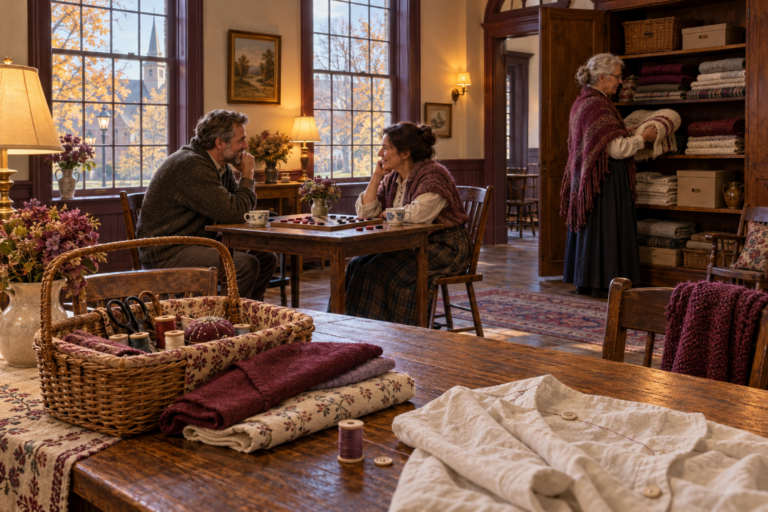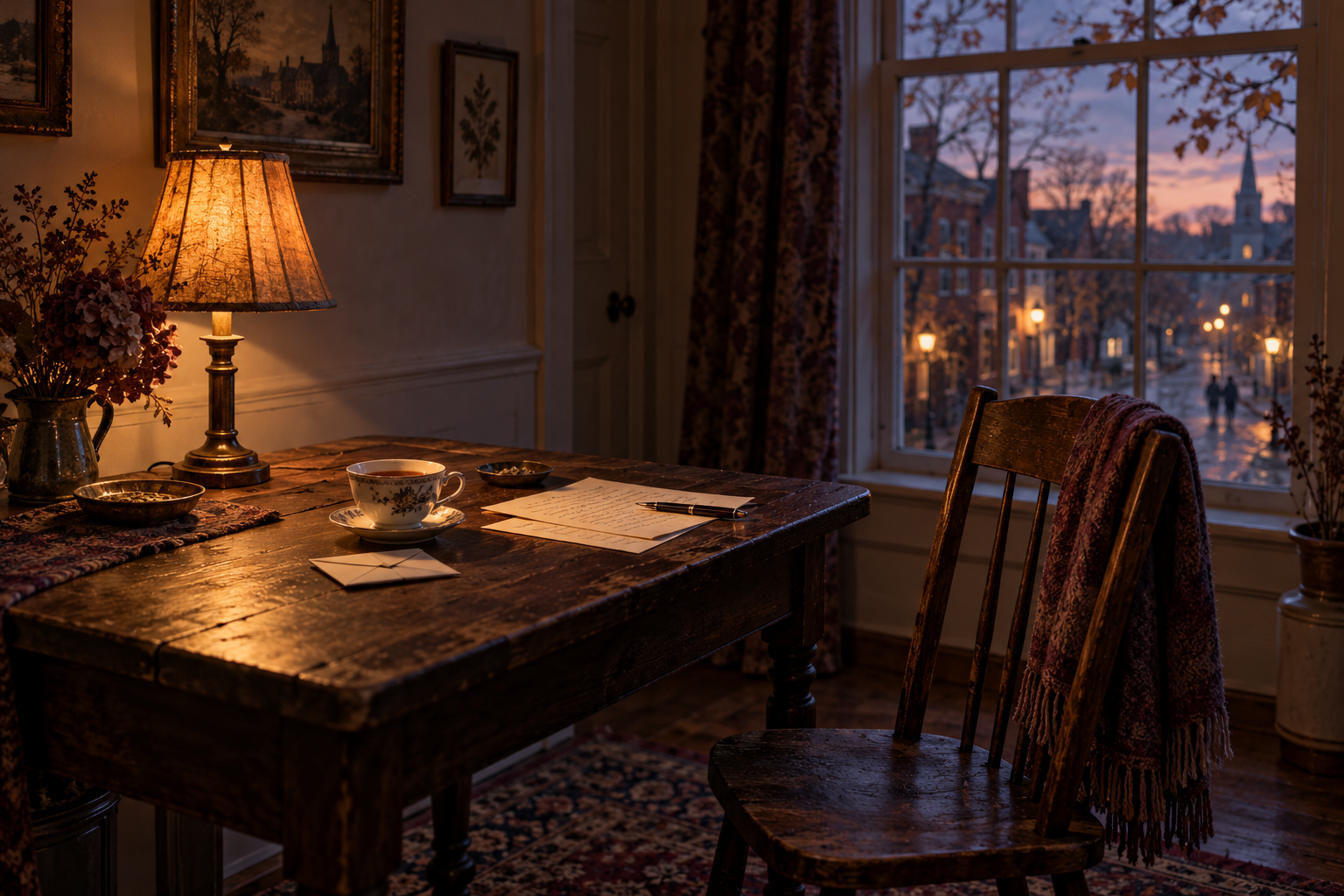
Yesterday, I spent a considerable part of the afternoon wishing everyone would go away.
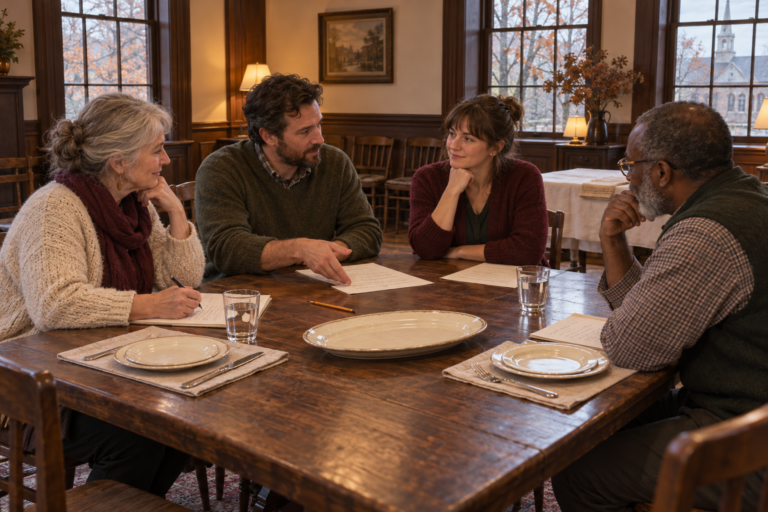
This was not a judgment on anyone in particular. Several people had been pleasant. One had been helpful. Another had told me something I very much wanted to know, although she took so long reaching it that I briefly lost interest in my own question.
I was tired. There were things to finish. Every time I thought I had found a few uninterrupted minutes, someone remembered something.
Then the last person left.
I stood still and listened to the door settle into its frame.
For perhaps half a minute, everything was exactly as I had wanted it.
Then I remembered something I had meant to tell her.
There ought to be a little more dignity in getting one’s wishes.
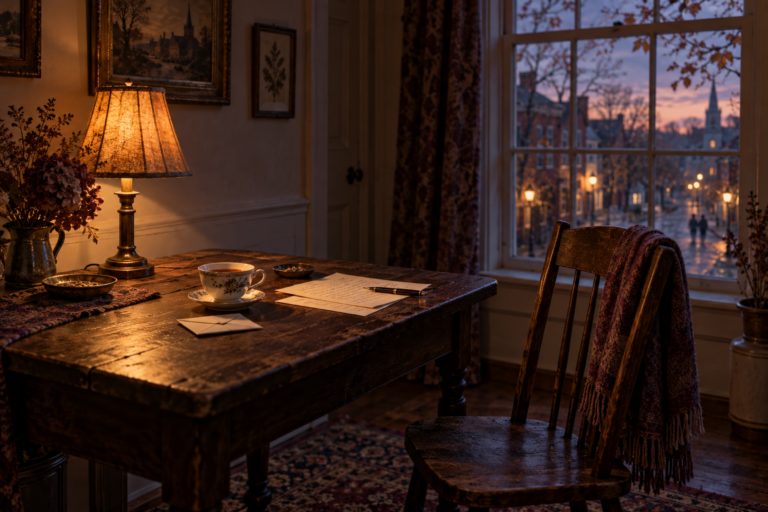
The room looked much the same. A chair had been left at an angle. Someone had folded a scrap of paper into a small square rather than throwing it away. There was a cup I had watched its owner overlook twice while saying goodbye.
With everyone gone, these things became my responsibility.
I moved the chair. I picked up the paper. I discovered that the cup still contained enough tea to make carrying it carelessly a mistake.
This is often how my quiet evenings begin: with the minor consequences of having enjoyed other people.
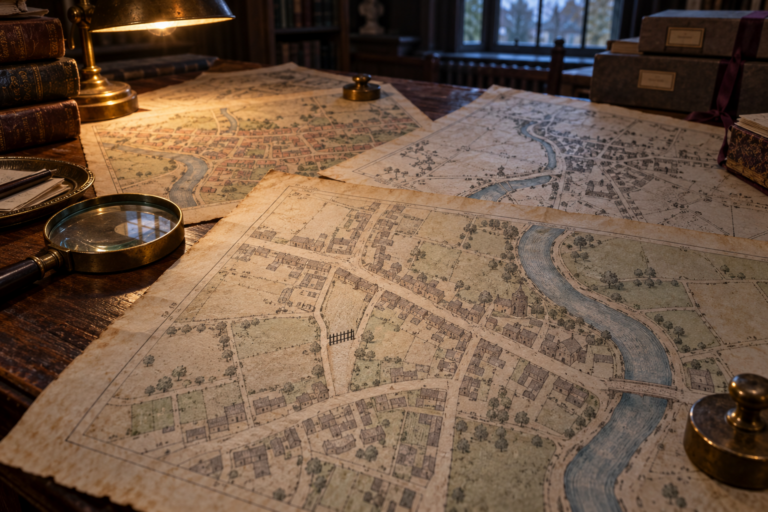
I had intended to use the time sensibly. There was a note to check before I could trust it, a letter I had put aside because my first answer was unkind, and a sentence that had looked finished that morning but no longer did.
Instead, I sat down.
Outside, someone laughed. Two people passed the window in conversation, one walking backward for several steps to finish making a point. I could not hear the words. Judging by the gestures, the other person had heard them before.
For a moment, I considered going out.
I stayed where I was.
It is a peculiar thing to love a town and occasionally want it to leave you alone. I suspect most of us manage some version of it. We are glad to be asked, until we have been asked six things. We hope someone will stop to talk, provided they choose a moment when we are capable of answering.
Earlier in the day, someone had told me a story I was fairly sure I already knew. I had nearly supplied the ending.
I am glad I didn’t. Her ending was different.
Now that I had time to think about it, I wanted to know why.
That is one difficulty with finding a quiet room. I bring quite a lot of Bramberwick into it with me.
An unfinished conversation becomes a question. A remark I dismissed while distracted acquires an edge. I remember the person who said they were perfectly well and left before anyone could offer them a seat.
Sometimes I make a note to ask after them. Sometimes I have to remind myself that a hurried departure can mean nothing more than being late.
There is always more than one possible account of an afternoon.
I went back to the letter.
The answer I had drafted would have been satisfying to write and unpleasant to receive. It also treated the writer’s uncertainty as though it were a fault they should have corrected before troubling me.
I crossed out the first paragraph.
Then I crossed out the second, which depended rather heavily on the first.
By then, the room had become comfortably quiet. I could hear the ordinary sounds I had missed beneath the talking: a pipe, a floorboard, the faint movement of air at the window.
There was one small knock from somewhere I could not place.
I waited.
It did not happen again.
I would like credit for leaving that alone.
When I finally got up, I put the abandoned cup with the washing and left myself a note about the story with the unexpected ending.
The chair had worked its way back to its earlier angle.
I let it stay there. It was not obstructing anything, and I had finished correcting things for the evening.
Tomorrow, I knew, I would be pleased to see people.
I would want to ask my question. Someone would remember something. There would probably be another cup.
For the moment, I had a few minutes left, and no wish to spend them differently.