This afternoon, someone carried a dining chair across the Common.
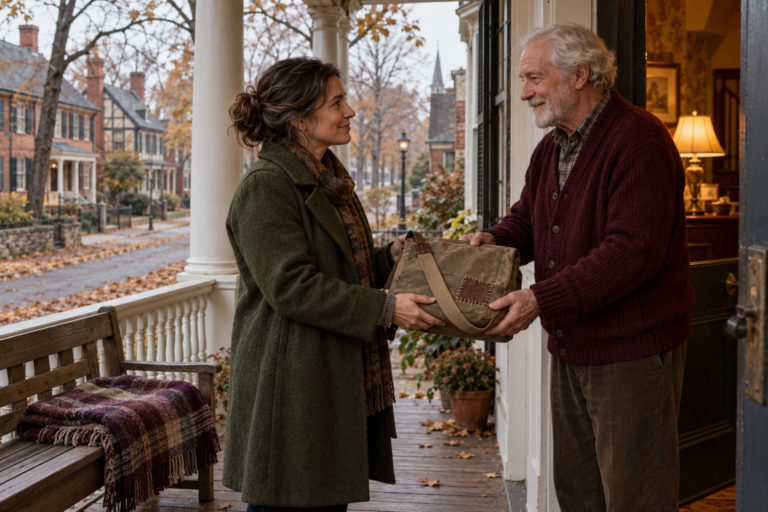
He was having difficulty with it. The chair was heavy, and its legs caught in the handle of a bag he had slung over his shoulder.
A volunteer offered to find him a lighter one.
He thanked her but said it needed to be this chair.
She took the bag instead. They went on together.
I do not know whom the chair was for. I could have asked. For once, curiosity seemed a poor reason to interrupt.
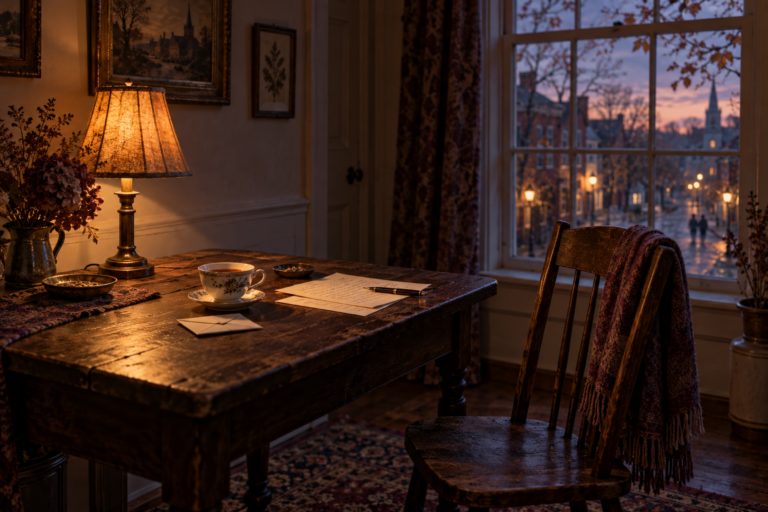
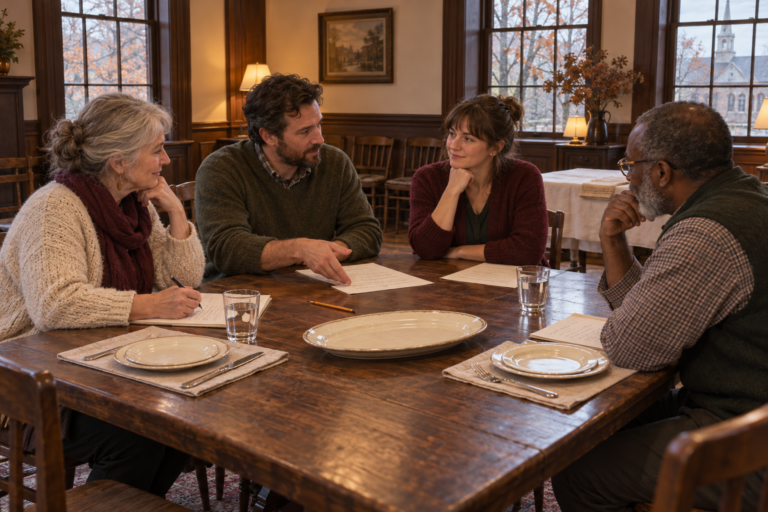
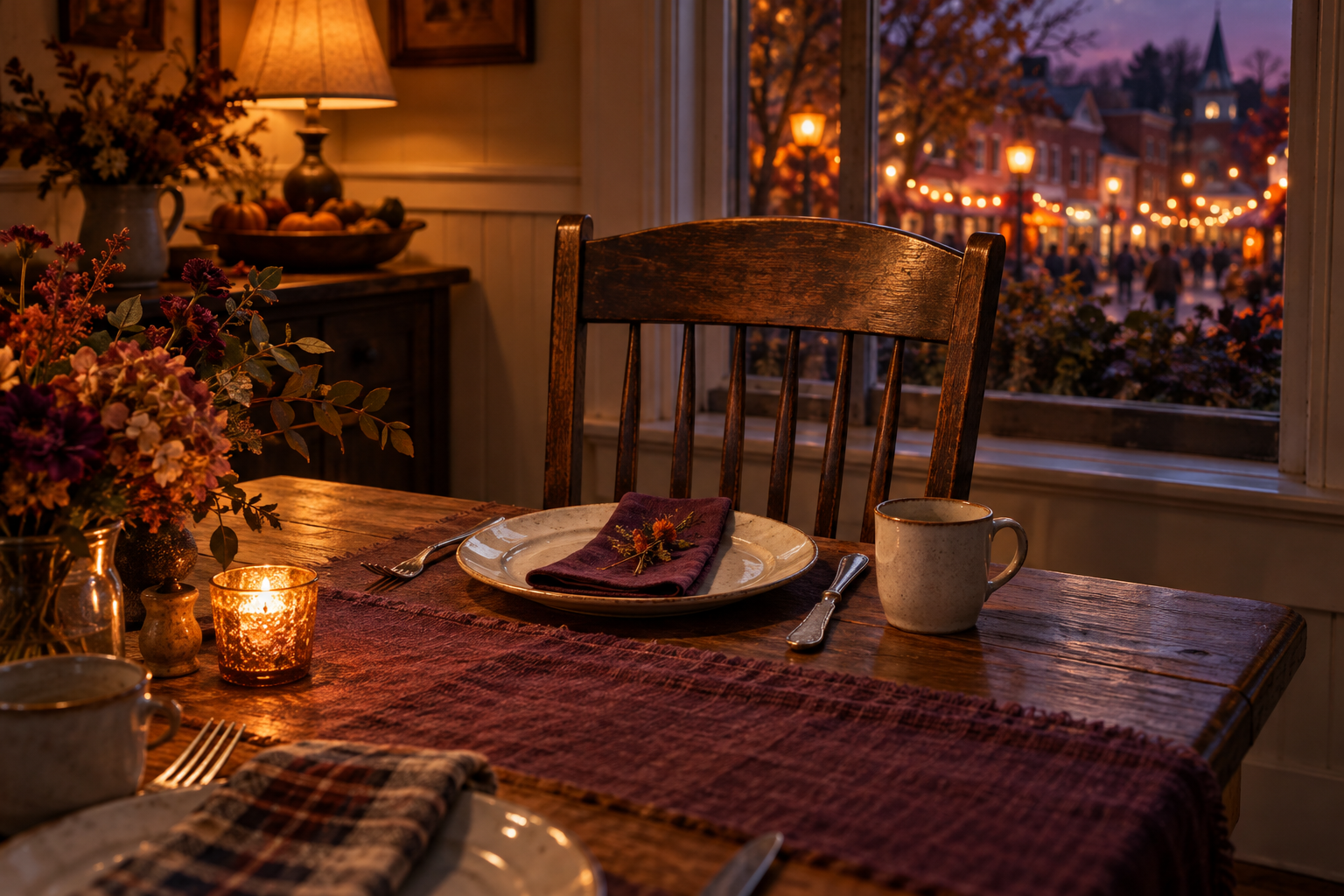
Tonight, there will be places laid throughout Bramberwick for people who have died. Some households have been preparing for days. Others will put out a cup just before sitting down, or find a photograph after the rest of the table has been cleared.
For some, this belongs to their Samhain observance. Others will remember through different customs, at another hour, or quietly without arranging anything at all.
We will not all be doing the same thing when the light goes.
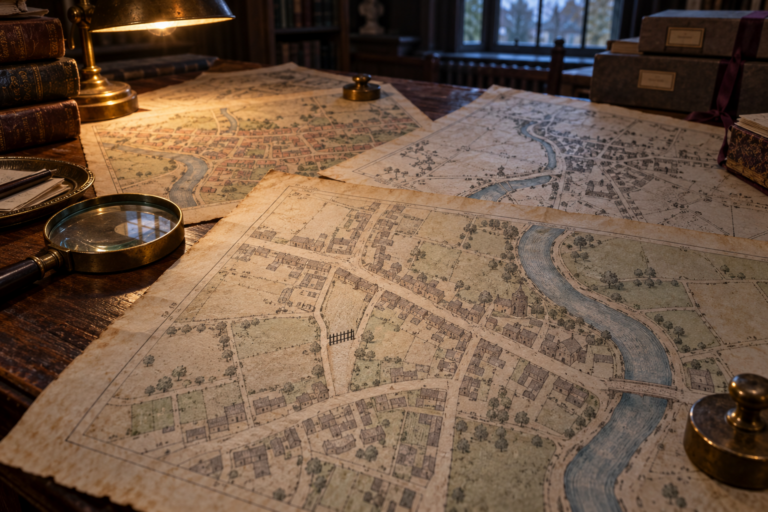
I have been thinking about the objects in the museum: the blue cup, the repaired coat, the recipe whose instructions apparently depended on who was doing the cooking. It is easy to feel affectionate toward a stranger when someone has preserved a detail that makes them recognizable.
It is harder when the person was yours.
Then an empty place can hold an argument as readily as a happy memory. You may remember kindness and wish you had received more of it. You may miss someone whose presence was difficult. You may find yourself laughing at supper, then feel disloyal because an hour has passed without thinking of them.
I have no useful rule for any of that.
One thing I like about a place at the table is that it need not require a speech. You can sit beside it. Pass a dish. Speak when you have something to say.
One thing I distrust is how easily a private choice becomes an expectation.
People should be allowed to put the chair away.
Here, where some of the dead remain among us, there is another complication. A person who can still visit may nevertheless be absent in ways that matter. A conversation might be possible while a familiar touch is not. Someone may be there every evening, yet unable to follow you into the life you are beginning elsewhere.
Their presence does not prevent grief.
Nor does an empty chair prove that someone will return.
I know people who listen carefully tonight. I understand why they do. I also hope there is someone nearby who will answer when they speak, rather than leaving them to wait for the only voice they want to hear.
Outside, the Revel is gathering itself for another evening. I can hear music and the intermittent scrape of something being moved across paving. Someone has just called after a child who was going in entirely the wrong direction.
There is ordinary life to attend to, even tonight.
Perhaps especially tonight.
If you are setting a place, I hope the evening gives you room for whatever comes with it: affection, anger, relief, longing, or a story that still makes you laugh.
If you are setting no place at all, I hope nobody asks you to justify that.
And if someone is carrying a chair that seems unnecessarily heavy, offer to take the bag.